mfa thesis, pacific northwest college of art, low-residency visual studies
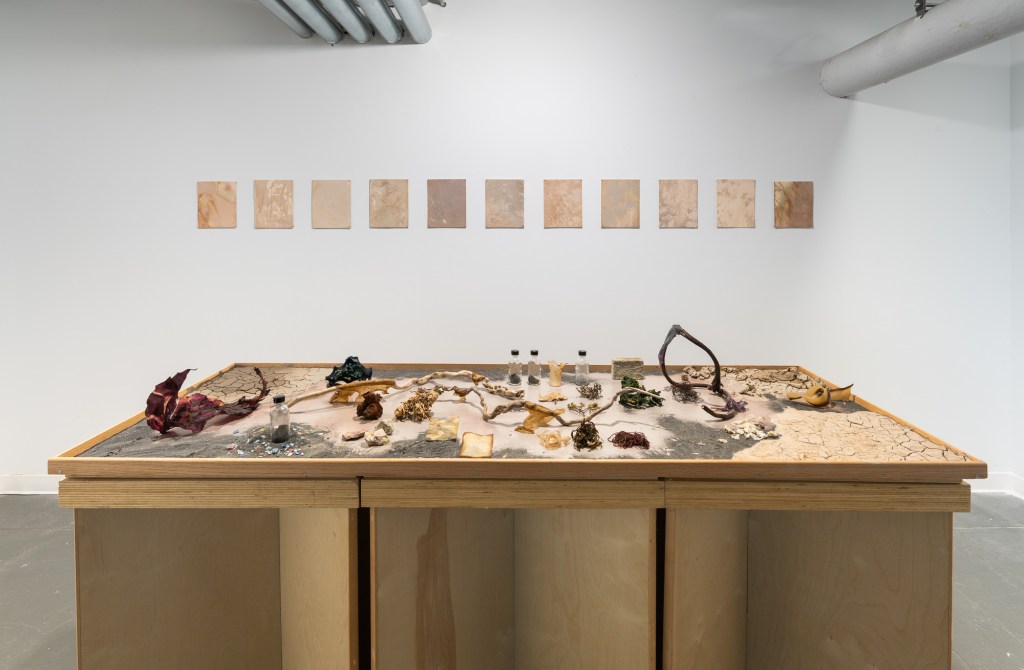
Tuning to Terra explores new possibilities in ecological art by embracing ecotones—the transitional places between ecological communities and biotic regions—as teachers, collaborators, and guides for resistance in an era marked by anthropogenic devastation. Grounded in new materialism, object-oriented ontology, and ecofeminism, Tuning to Terra asserts that material-conscious artworks made in collaboration with our nonhuman kin can help us adopt more ecocentric ways of being.
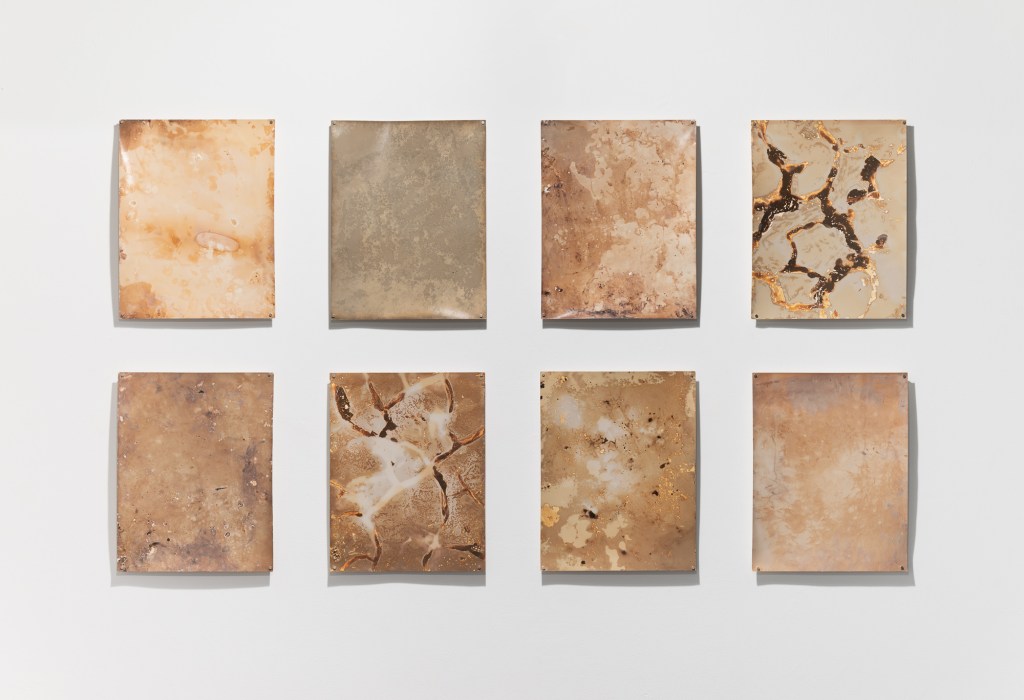
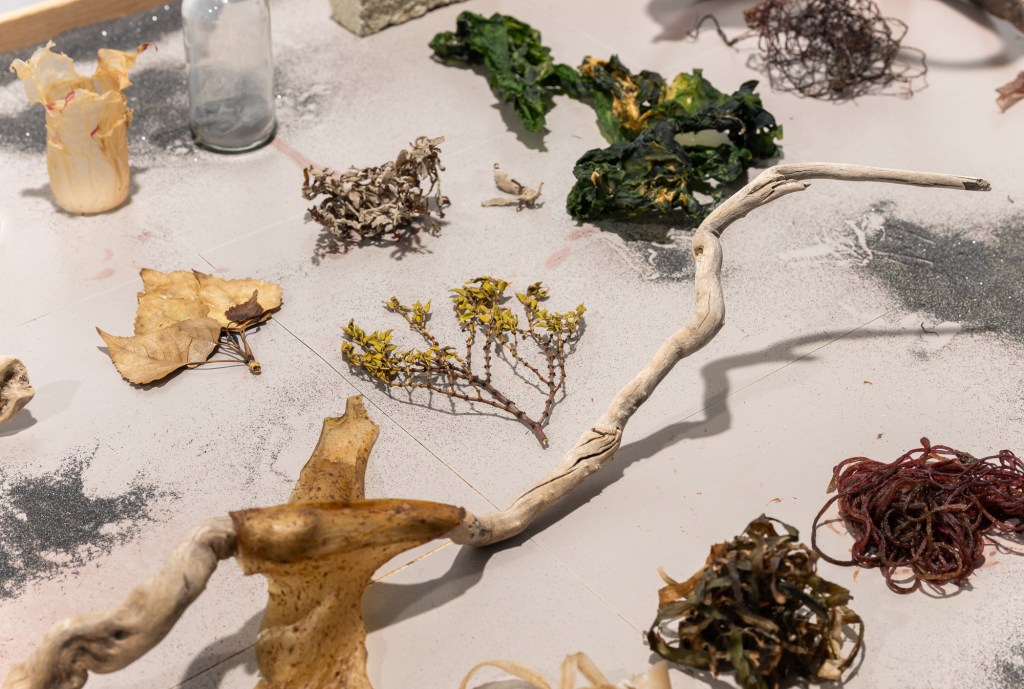
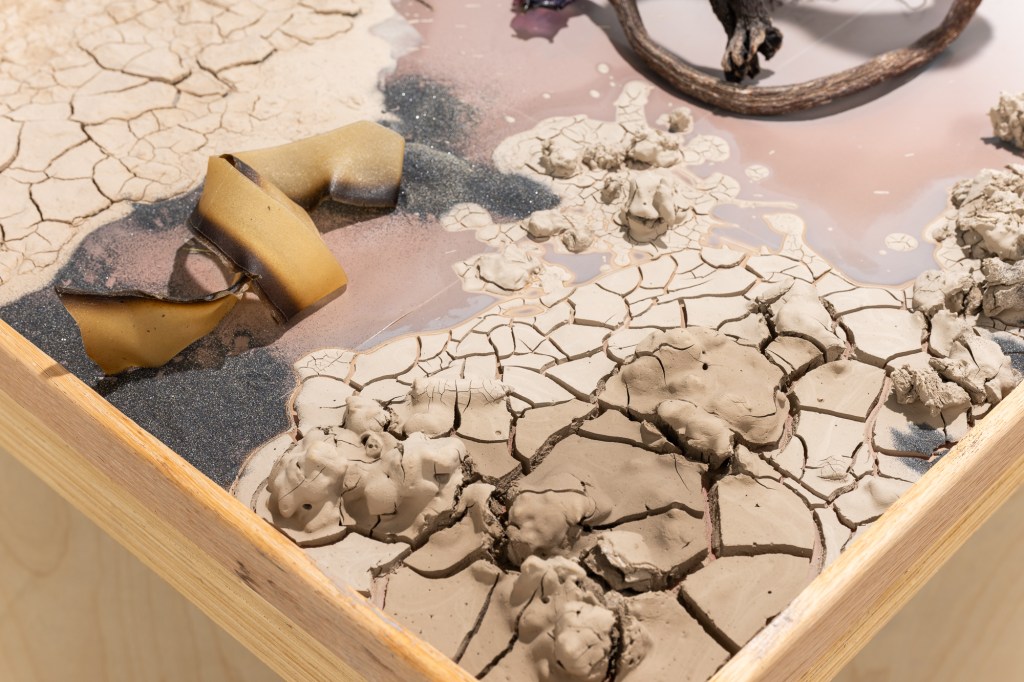
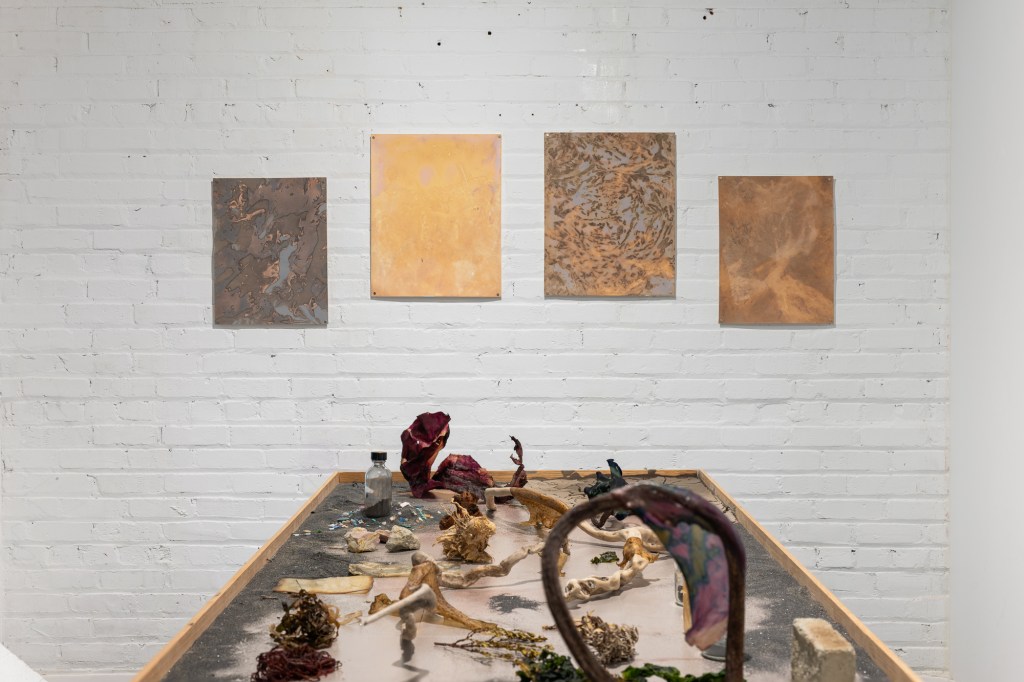
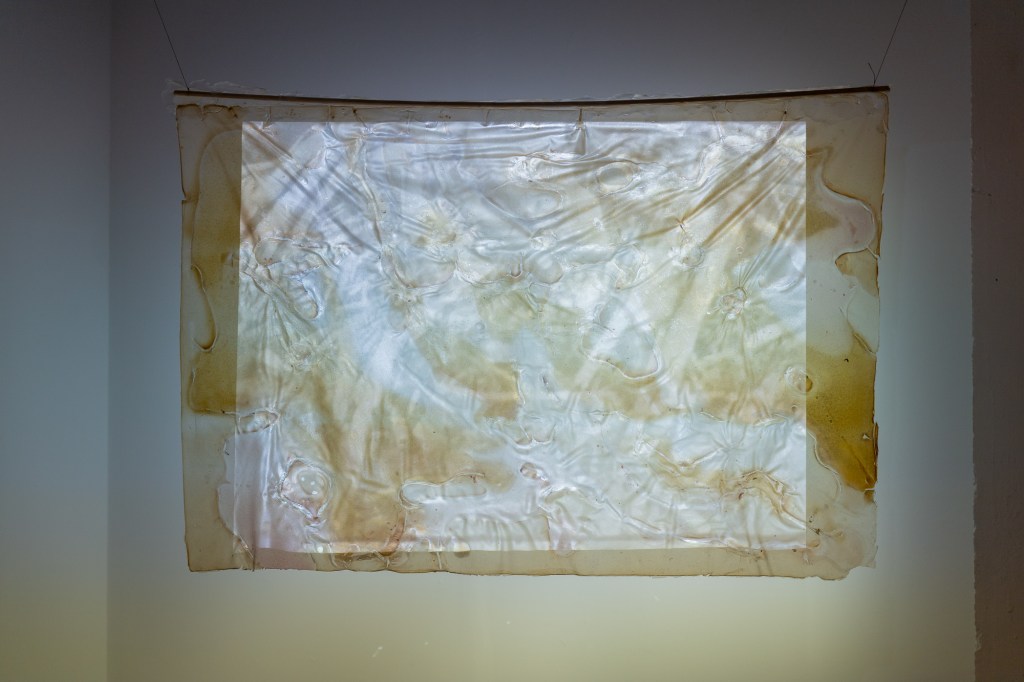
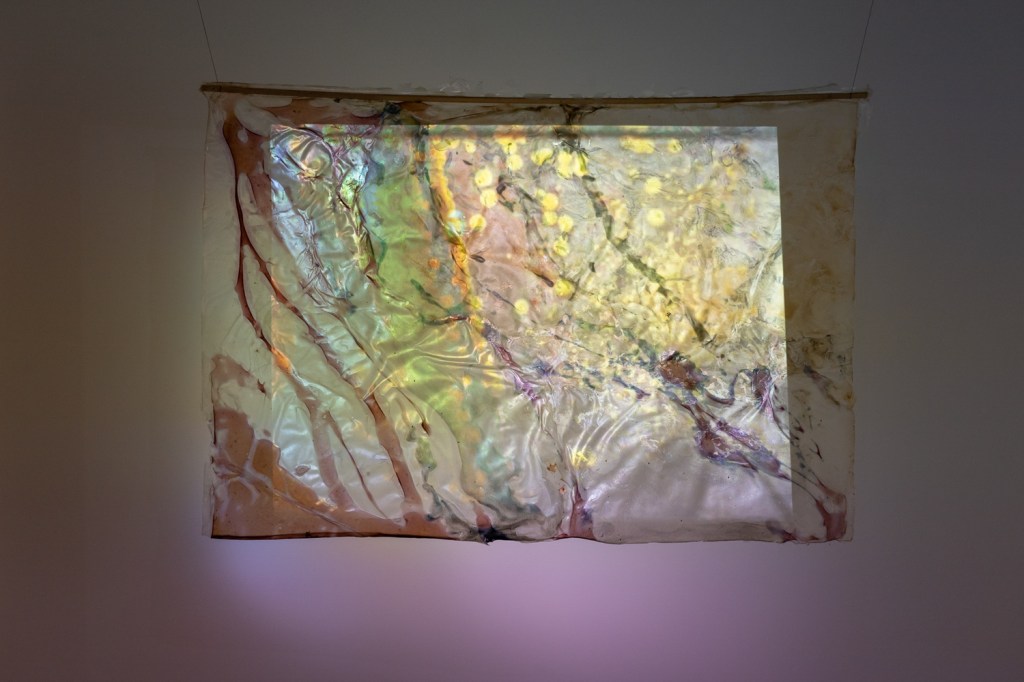
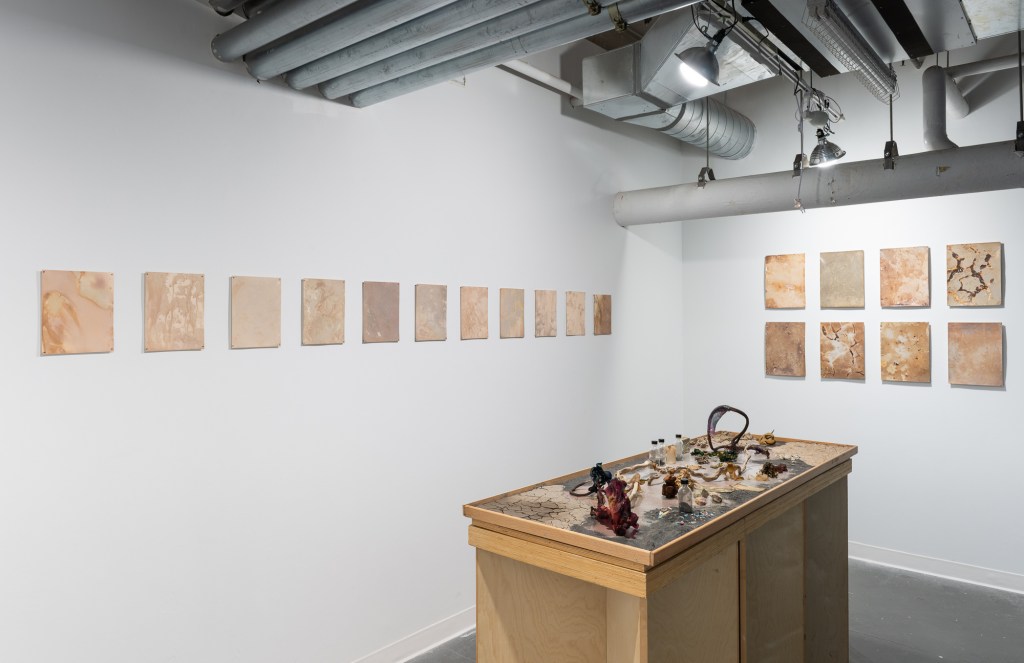
Evolving from embodied research in riparian and coastal ecotones in the Pacific Northwest and on the Texas/Mexico border, Tuning to Terra is the outcome of facilitated interactions between sustainably foraged plants, algae, soil, water, and light, synthesized into a multisensory, interactive installation and accompanying long-form essay.
Through collaboratively made artworks and critical reflections on place, materials, and making, Tuning to Terra seeks to unravel the anthropocentric paradigms that separate humans from nature so that we may better care for our fellow humans, our nonhuman kin, and ourselves.

“We relate, know, think, word, and tell stories through and with other stories, worlds, knowledges, thinkings, yearnings. So do all the other critters of Terra, in all our bumptious diversity and category-breaking speciations and knottings…Critters are at stake in each other in every mixing and turning of the terran compost pile. We are compost, not posthuman; we inhabit the humusities, not the humanities.”
-Donna Haraway, Staying with the Trouble
The title Cord in a Stone is inspired by A Knotted Line Is Not The Shortest Distance, a poem by Frances Richard.

